Training & Life
What Age Should My Child Start Martial Arts? A Roseville Parent's Guide
7 min read
Parents ask us this almost every week: "Is my kid old enough?" Sometimes it's the opposite: "Is it too late to start?"
The honest answer is that there's a right class for almost every age. The age matters less than whether the class is built for how your child thinks, moves and pays attention right now. A four-year-old and a ten-year-old can both thrive on the mat, but not in the same room doing the same drills.
Here's how we think about it at K3 Martial Arts in Roseville, where we've been teaching kids, teens and adults since 1996.
The short answer
- Ages 4–6: Yes, if the class is built for little kids. Short drills, lots of movement, and a coach who teaches listening before kicking. That's our Lil' Dragons program.
- Ages 7–12: This is the sweet spot for real technique and real belt progression. Kids this age can hold focus long enough to learn combinations and earn every stripe. That's Kids Martial Arts.
- Ages 13 and up: Teens are ready for practical self-defense and real conditioning. At K3 they train in Teen & Adult Krav Maga right alongside adults.
- Too late? No. Our adult students start at every age and every fitness level. More on that below.
Ages 4–6: Can a preschooler really do martial arts?
They can, and many of them love it. But a good class for this age isn't a watered-down version of the big-kid class. It's built differently from the ground up.
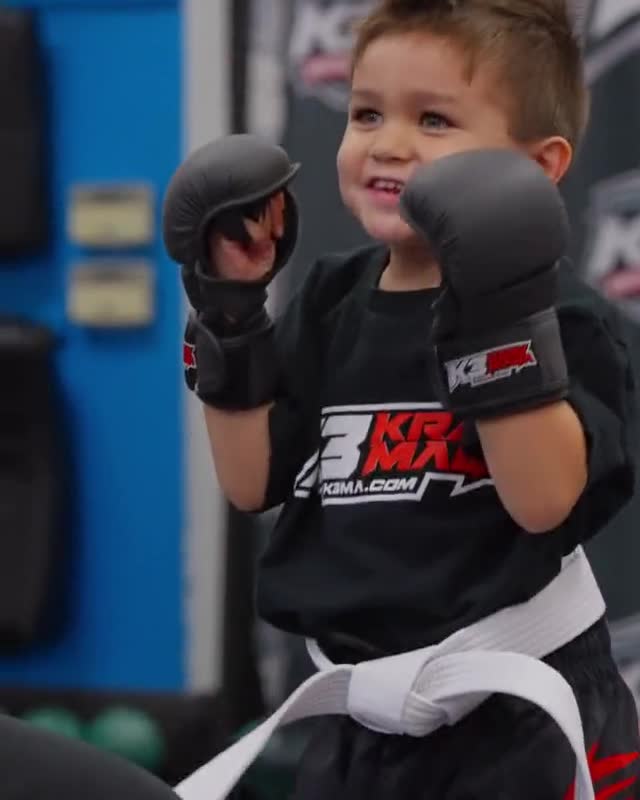
Four- to six-year-olds have big energy and short attention spans. That's not a problem to fix; it's what the class is designed around. In Lil' Dragons, the first skills aren't punches. They're the skills that make everything else possible:
- Listening, focus and following directions. Hearing an instruction, holding it, and doing it.
- Balance, coordination and body control. Standing on one foot, changing direction, landing safely.
- Kicks, blocks and safe falling. Real martial arts basics, taught as games.
- Confidence. Speaking up, trying something new, and being cheered for it.
Signs your 4–6-year-old is ready: - They can follow a simple two-step instruction ("touch your toes, then jump"). - They can stay with a group activity for a few minutes at a time, even if they wiggle. - They're curious about moving, climbing, kicking or "being a ninja."
If your child is shy, that's okay too. The first visit at K3 is a private lesson with just your family and an instructor: no crowd, no pressure. Shy kids often surprise their parents.
Ages 7–12: The sweet spot for skill and confidence
Somewhere around seven, most kids can focus longer, remember more, and start caring about getting good at something. That's when martial arts training really takes off.
In our Kids Martial Arts program, students learn:
- Karate fundamentals with real belt progression. Every belt is earned, never handed out.
- Kickboxing combinations and pad work. The fun part that also builds fitness.
- Practical self-defense and awareness. How to stand, how to move, and how to walk away, and the confidence to know they can.
- Leadership. As they advance, students help newer athletes on the mat.
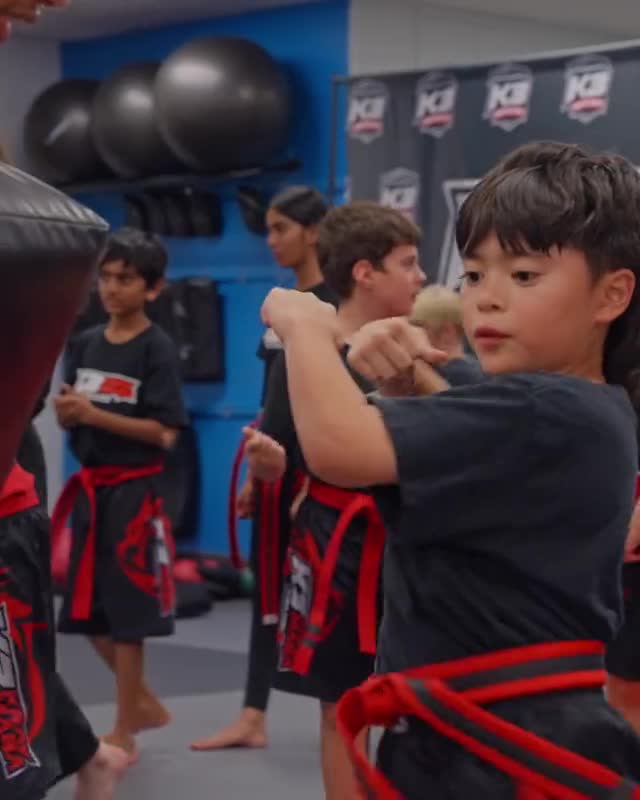
A typical class runs like this: line up, bow in and condition; a technique block with the instructor; partner or bag work; then sparring drills in full protective gear.
Parents of this age group usually tell us they notice the change at home and at school before they notice it on the mat. Better focus on homework, more respect at the dinner table, a kid who stands a little taller. (We wrote more about that in The Positive Effects of Martial Arts for a Child in School.)
Signs your 7–12-year-old is ready: - They want something to work toward, like a goal, a level or a badge. - They have energy that needs somewhere to go. - They could use more confidence with other kids, or more self-control.
Ages 13+: Teens and real self-defense
Teenagers don't want to be treated like little kids, and they shouldn't be. By 13, they're ready for training that's honest about the real world.
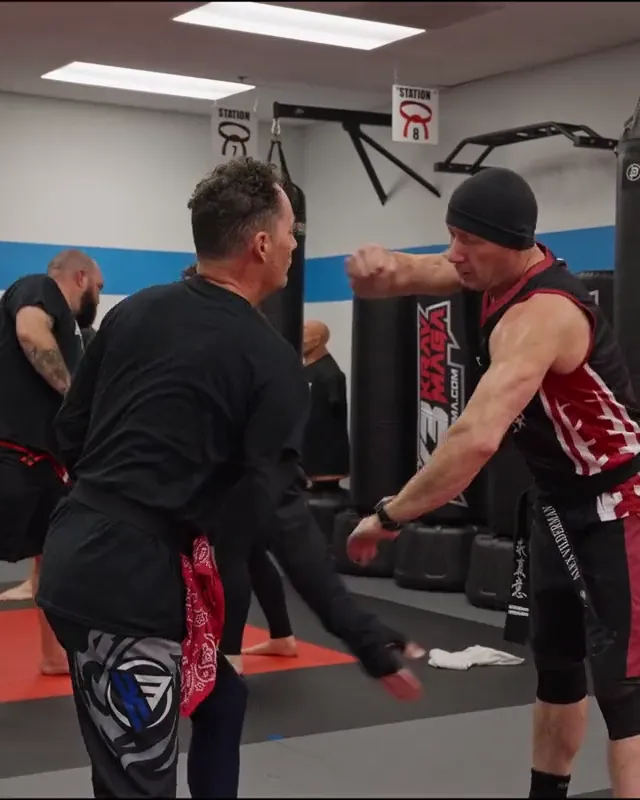
At K3, teens train in Teen & Adult Krav Maga alongside adults. Krav Maga is practical self-defense, and the curriculum covers:
- Self-defense against real-world attacks.
- Striking, clinch work and escapes.
- Honest conditioning that builds real capacity.
- Situational awareness and de-escalation. Knowing how to avoid a fight matters as much as knowing how to finish one.
Training with adults is a big part of why it works. Teens rise to the level of the room. They learn respect, accountability and composure under pressure, which is exactly what they need walking into high school, a first job, or college.
Signs your teen is ready: - They're heading into more independence (driving, working, going out with friends). - They'd benefit from a fitness habit that isn't a team sport. - They want to feel capable, not just told they're safe.
Is it ever too late to start?
No. Every student at K3 starts at white belt, at their own pace. There's no "behind."
That's true for adults too. Our adult Krav Maga classes are taught in layers, so a first-timer and a veteran both get a real workout. Nobody starts in shape, and the conditioning catches up faster than you'd expect. Plenty of parents start training after watching their kids for a few months, and some families train together. (See Bonding Through Combat: The Lifelong Benefits of Training with Your Kids.)
What to look for in a kids martial arts school
Whatever age your child starts, the school matters more than the style. Here's what we'd tell any parent in Roseville, Rocklin, Granite Bay or Lincoln to look for, at K3 or anywhere else:
- Classes grouped by age. A 4-year-old and a 12-year-old need different classes.
- Instructors who learn your child's name on day one. Ask who will actually be teaching.
- Belts that are earned. If every kid gets a new belt every month regardless, the belt doesn't mean much.
- You can watch. At K3 you're right there in the parent seating, every class, every time.
- A real first visit, not a sales pitch. You should be able to try it with no obligation.
- Reviews from local families. Read what other parents say. Ours are on our reviews page.
How to get started at K3
Your first visit is free. It's a private 30–40 minute orientation lesson with just your family and a K3 instructor. Afterwards we talk about your goals and the right program. There's no obligation to join.
What to bring: a t-shirt, shorts, a water bottle, and bare feet. We train on mats, so no shoes are needed.
K3 Martial Arts was founded in 1996 by Master Doyle McMahan, a combat veteran with more than 53 years of training. We're at 3992 Foothills Blvd #180, Roseville, CA 95747, and we're open Monday–Friday, 10:00 AM–8:00 PM.
Book your free class, or call or text us at (916) 787-5425.
Frequently asked questions
What is the best age to start martial arts?
There's no single best age, but there is a best class for each age. At K3, kids can start at 4 in Lil' Dragons (ages 4–6). Ages 7–12 train in Kids Martial Arts, and anyone 13 and up can join Teen & Adult Krav Maga.
Is 4 too young for martial arts?
Not when the class is built for 4-year-olds. Our Lil' Dragons classes focus on listening, coordination, balance and confidence through movement and games, with real kicks and blocks mixed in.
My child is shy. Will martial arts help?
Most first-timers are nervous. That's why the first visit at K3 is a private lesson with no crowd, simple drills, and an instructor who lets them build at their own pace. Shy kids often surprise their parents.
Can teens train with adults?
Yes. At K3, ages 13 and up train together in Teen & Adult Krav Maga. Teens rise to the level of the room.
What styles does K3 teach?
Krav Maga, Karate, MMA and Kickboxing. Programs blend them by age and goal. Kids learn control and coordination, while teens and adults focus on self-defense and fitness.
How much does the first class cost?
The first class is free. It's a private 30–40 minute lesson with no obligation to join.